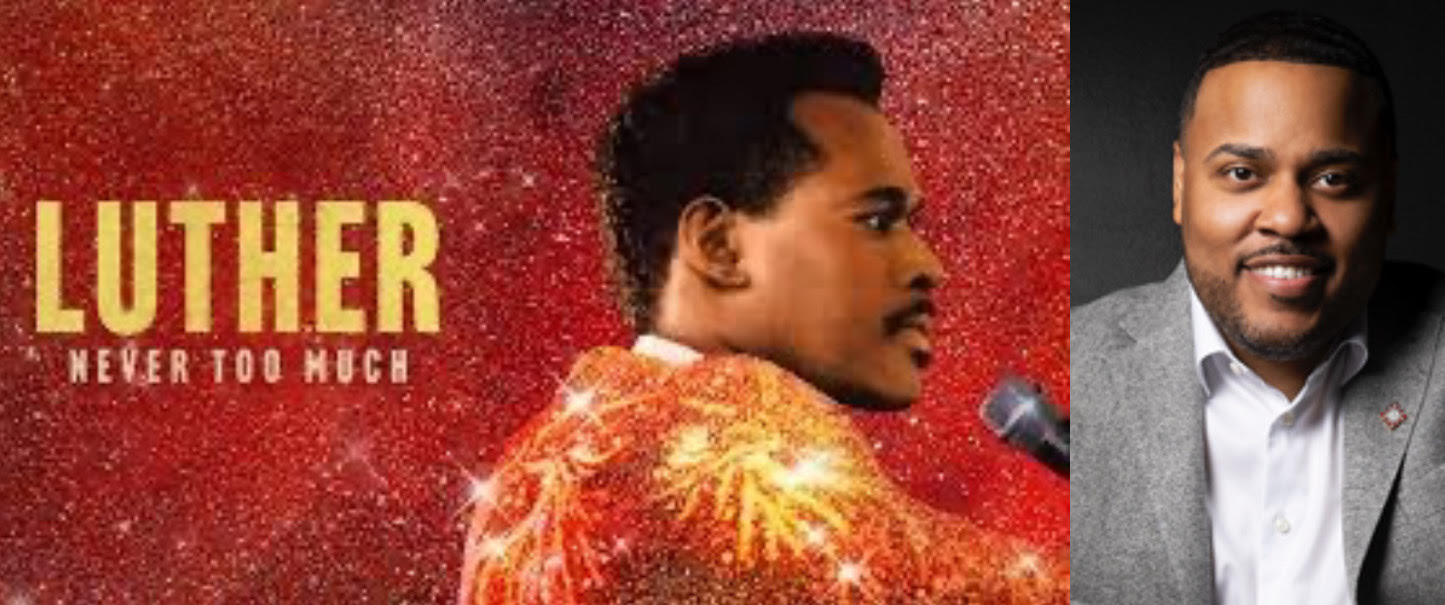

Laterras R. Whitfield, host of the Dear Future Wifey podcast, stood before more than 500 graduating seniors at Florida Agricultural and Mechanical University(FAMU) this past weekend and admitted something many in the audience could relate to:he almost didn’t show up.
“I was excited on one hand, then immediately hit with the feeling of unworthiness,” Whitfield said. “The little boy in me that prioritized being a dad over a degree was struck with imposter syndrome when FAMU invited me to speak. My mind began to fill up with doubt: Laterras, you haven’t spent a day in college. Does FAMU know that?”
His message struck a chord, Imposter syndrome, the belief that one’s accomplishments are undeserved has become a familiar theme in conversations around success and mental health, particularly among young professionals and high-achieving graduates at Historically Black Colleges and Universities(HBCUs).
Only about 31 percent of Americans hold a bachelor’s degree, according to the U.S. Census Bureau, making the milestone itself one that often stirs feelings of pressure or insecurity. For many first-generation college students, a group that HBCUs often serve, those feelings can be even more intense.
Whitfield’s nearly 20-minute speech offered a blend of vulnerability and encouragement. He shared how an online comment criticizing his selection as FAMU’s speaker nearly deepened his self-doubt, but said support from his fiancée and a FAMU alumna gave him the courage to show up.
“With every no I got, I was learning something,” he said. “I learned how to bounce back. I learned failure doesn’t have the final say.”
Whitfield launched Dear Future Wifey in 2020, building a wide following by blending faith, transparency and conversations about love and healing. His platform has become a space for raw discussions on relationships and personal growth, often resonating with listeners navigating their own self-doubt.
By acknowledging his struggle on one of the biggest stages of his career, Whitfield highlighted what mental health experts have long said that imposter syndrome isn’t spoken about enough and that bringing it to light can make it disappear.
Graduates and families gave him a standing ovation, with many calling the message both affirming and timely. For Whitfield, the moment served as a reminder that even in the face of doubt, showing up can be the most powerful lesson of all.