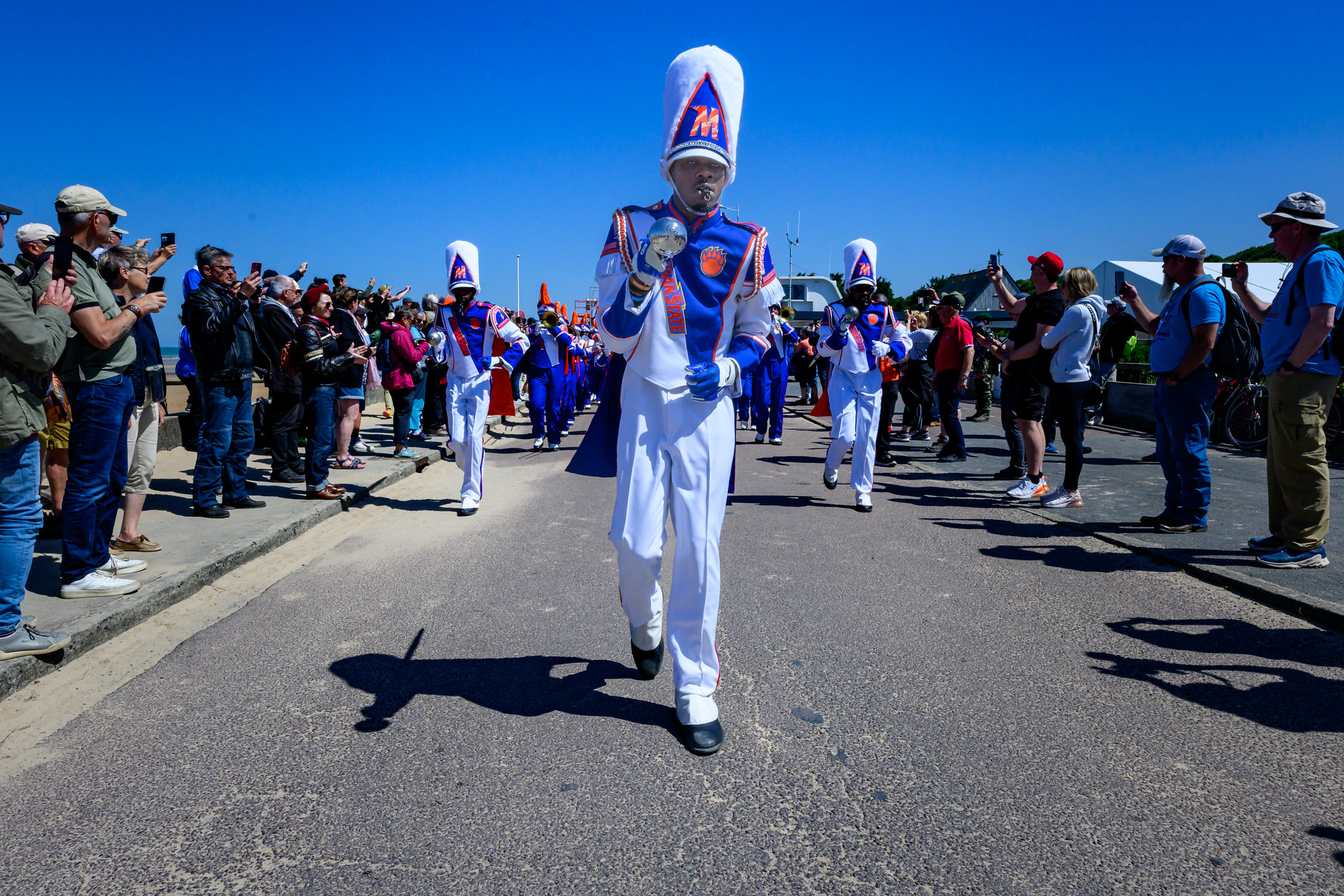

February holds special significance for Black Americans as it is coined Black History Month. This yearly celebration is a time dedicated to honoring the history, culture and contributions of Black people in the United States. While Black culture continues to influence society year round, February serves as a moment to reflect on the struggles, resilience and achievements that have helped shape the nation’s past and future.
As Black History Month begins, here are several notable moments and milestones worth learning about and celebrating:
- Feb. 1, 1960: Four North Carolina A&T State University freshmen — Ezell Blair Jr. (later Jibreel Khazan), Franklin McCain, Joseph McNeil and David Richmond — staged a nonviolent sit-in at a whites-only lunch counter at F.W. Woolworth’s in Greensboro, North Carolina, igniting a nationwide student-led protest movement.
- Feb. 3, 1870: The 15th Amendment to the U.S. Constitution was ratified, prohibiting federal and state governments from denying a citizen the right to vote based on race, color or previous condition of servitude.
- Feb. 4: Rosa Parks, later known for her role in the Montgomery Bus Boycott, was born. Before becoming a civil rights icon, Parks briefly attended the laboratory school at Alabama State University, then known as Alabama State College.
- Feb. 13: Eddie Robinson Sr., the winningest coach in HBCU football history, was born. The longtime Grambling State coach recorded 408 career victories.
- February 1926: Historian Carter G. Woodson launched Negro History Week, which later expanded into Black History Month. The week was chosen to coincide with the birthdays of Abraham Lincoln and Frederick Douglass.
- Feb. 17: Political activist and Black Panther Party co-founder Huey P. Newton was born.
- Feb. 25, 1837 First ever HBCU : Cheyney University of Pennsylvania, the nation’s first and oldest historically Black college or university, was established.This month they will celebrate 189 years since its establishment.
- Southern HBCU history: Founded in December 1865, Shaw became the first HBCU in the South and counts notable alumni such as civil rights leader Ella Baker and singer Gladys Knight.
- History of Marching Bands: Tuskegee is home to the oldest known HBCU marching band, established between 1890 and 1894 and originally called the Normal School Brass Band.
- History of Homecoming: Howard is credited with hosting the first HBCU homecoming in 1924, helping shape the modern homecoming tradition celebrated across college campuses today.